
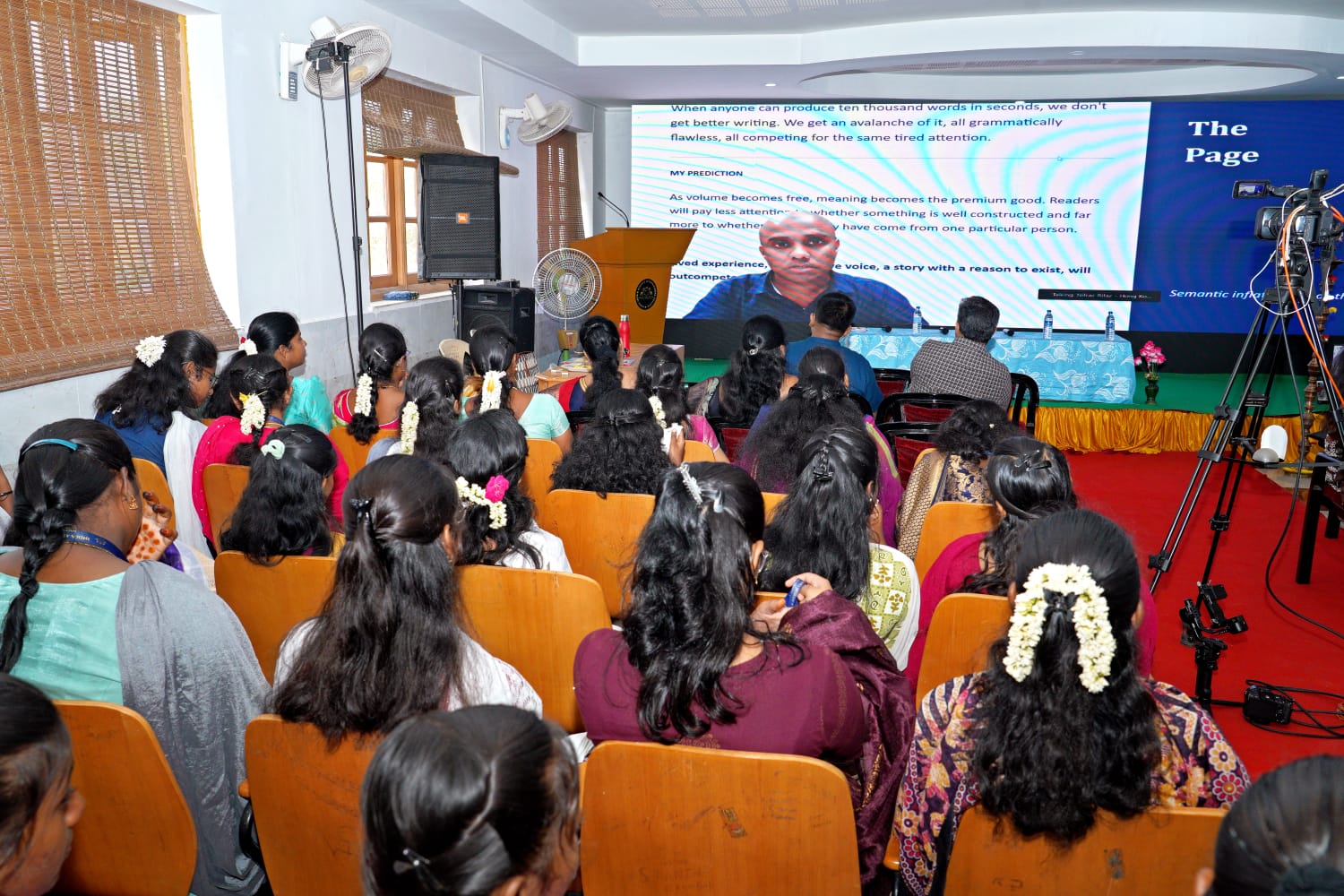
An International Conference on *“Syntax and Semantics in the AI Era: Transforming Education, Narrative, and Communication”* was successfully organised on *11 September 2026* at the *IAS Seminar Hall, Indus Arts and Science International College, Erode, Tamil Nadu, in **hybrid mode (offline and online)* from *8:30 a.m. to 3:30 p.m.*
The conference was jointly organised by *Trincomalee Campus, Eastern University, Sri Lanka; Arasu Engineering College, Kumbakonam; Indus Arts and Science International College, Erode; and Bishop Heber College (Autonomous), Tiruchirappalli. The conference brought together academicians, researchers, educators, and scholars from **India, Sri Lanka, the United Kingdom, and Hong Kong, providing an interdisciplinary platform to explore the transformative influence of Artificial Intelligence on **language, literature, education, narrative, digital discourse, and communication*.
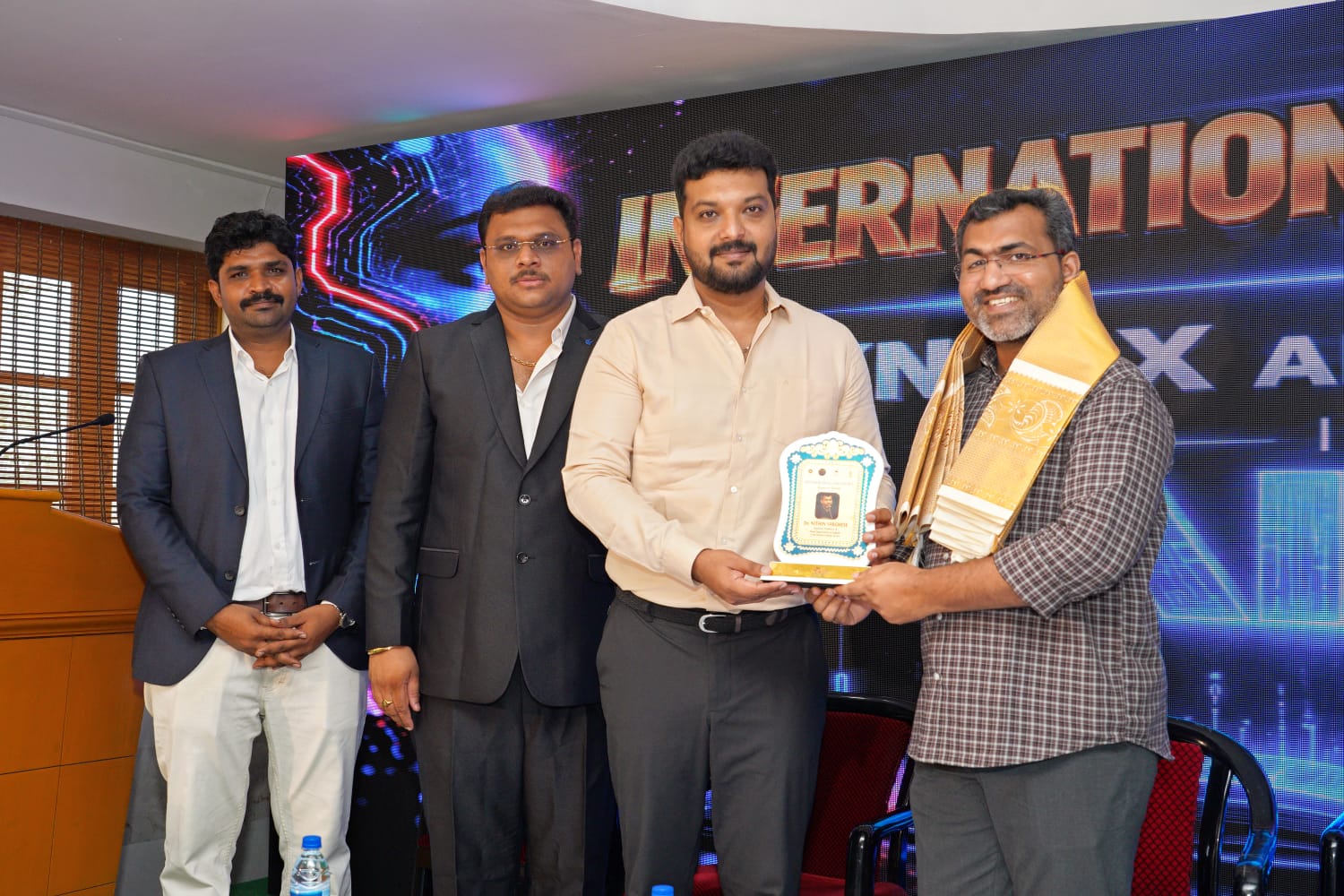
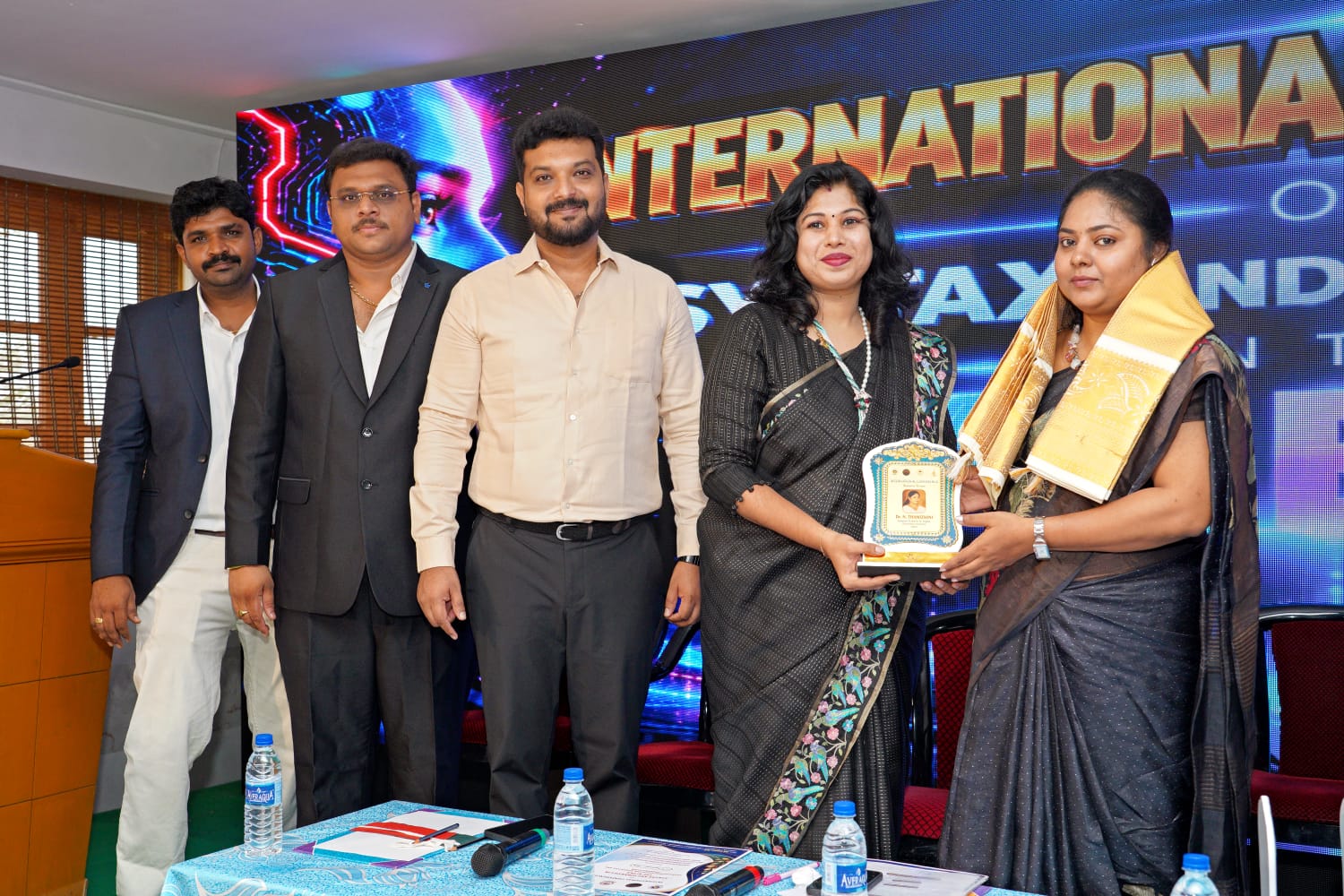
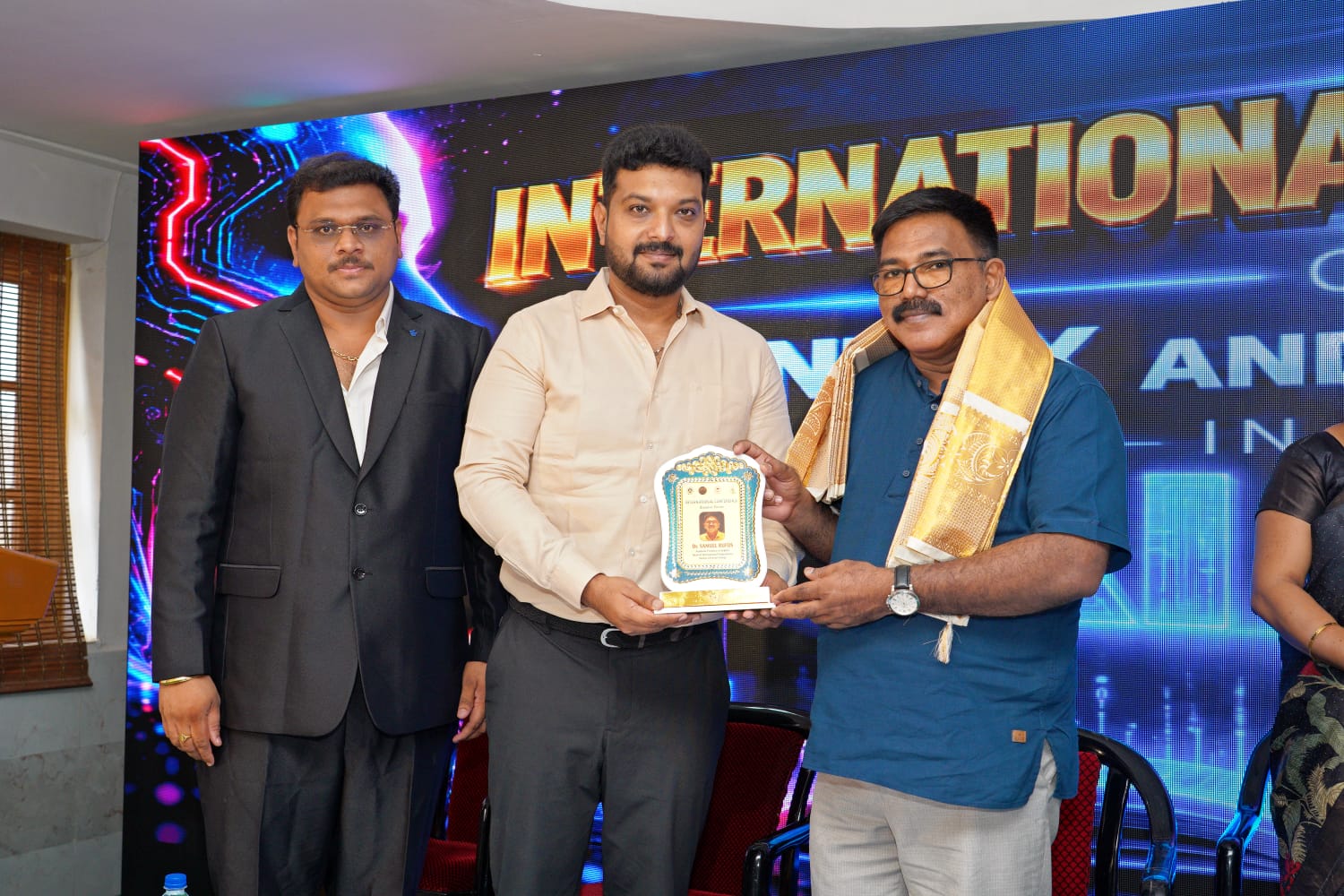
The programme commenced with *registration from 8:30 a.m. to 9:00 a.m., followed by the inaugural session. The inaugural programme included the **Invocation / Thamizh Thai Vazhthu, Welcome Address, and Lighting of the Lamp. The Welcome Address was delivered by **Mr. M. Balakrishnan, Assistant Professor of English, Arasu Engineering College, Kumbakonam. The esteemed dignitaries and resource persons were honoured by **V. G. Arun Balaji, Joint Secretary, Erode College of Law*.
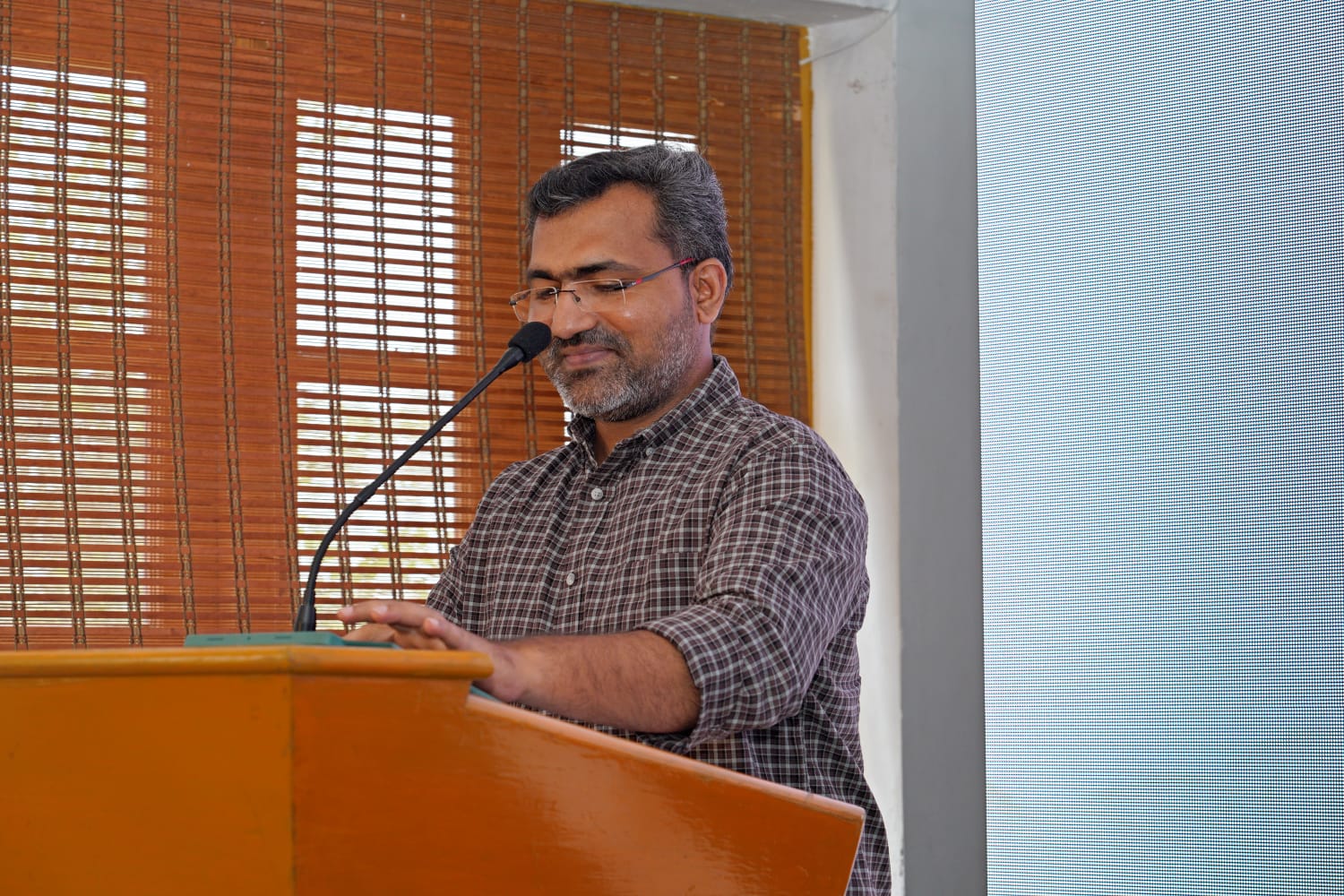
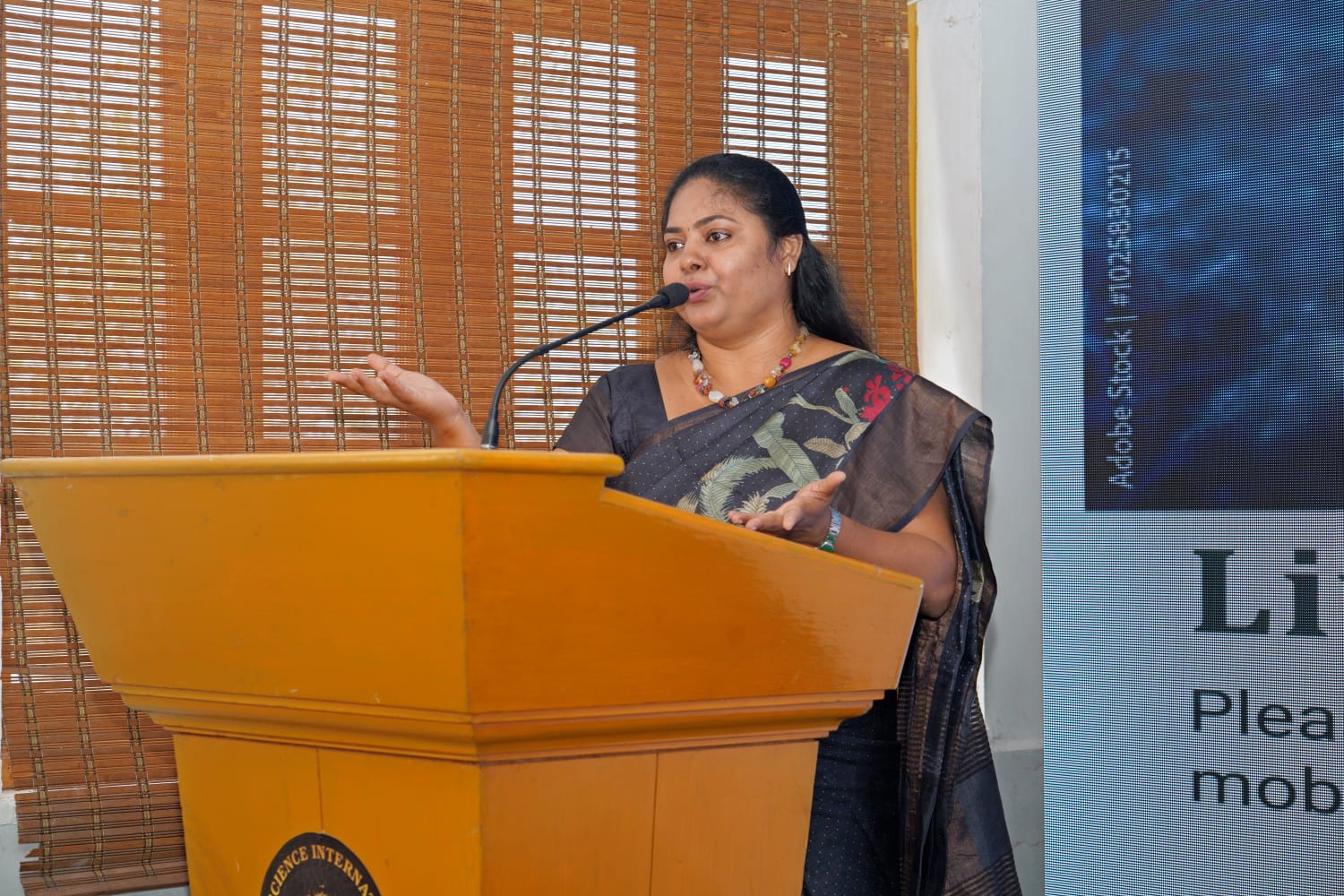
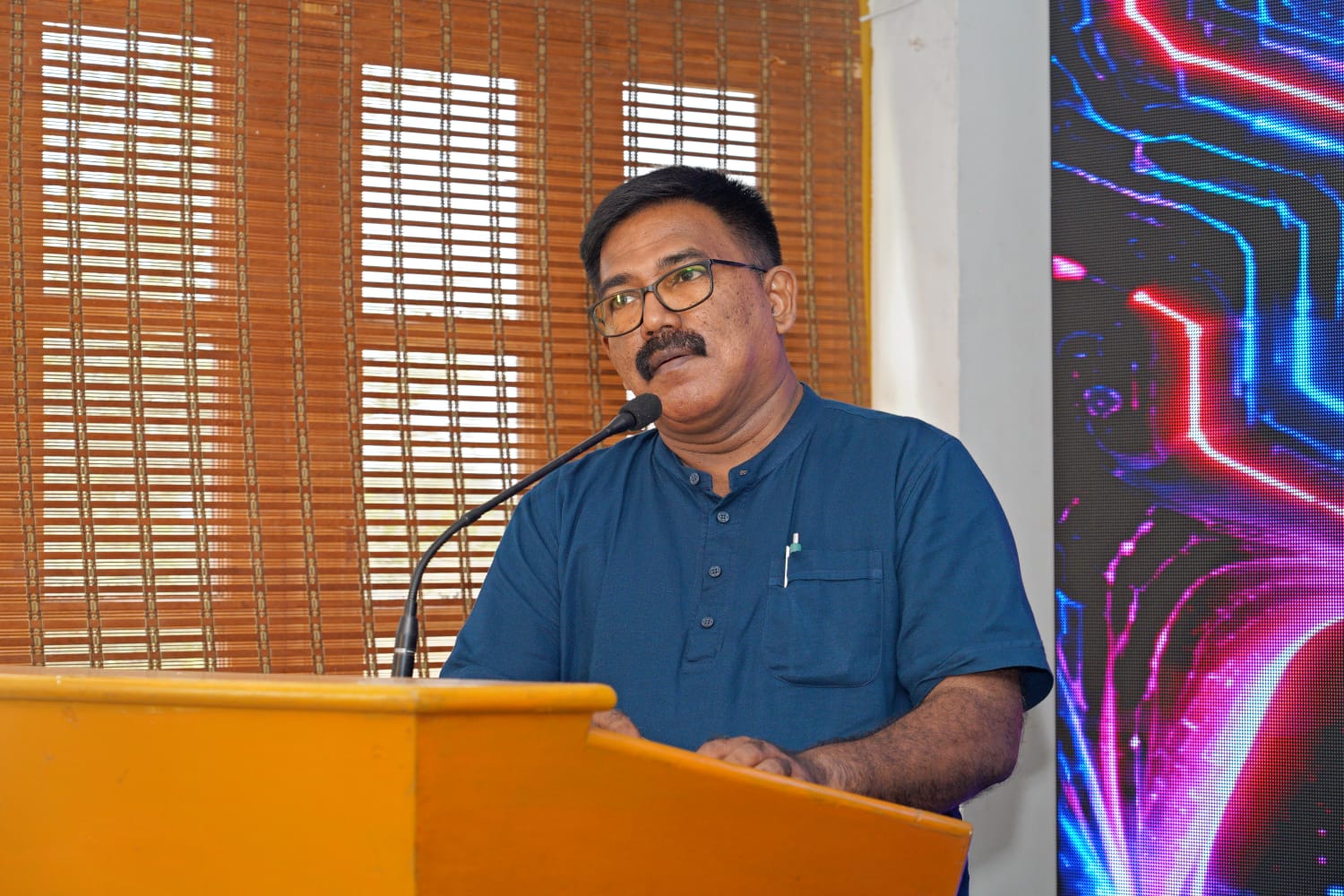
The conference was formally introduced by *Dr. A. Esther Shanthini, Assistant Professor of English, Bishop Heber College (Autonomous), Tiruchirappalli, who highlighted the significance and relevance of the conference theme. The **Inaugural Address* was delivered by *Dr. Samuel Rufus, Associate Professor of English and Dean of International Programmes, Madras Christian College. The inaugural session established the academic context for examining the emerging influence of Artificial Intelligence on language, education, communication, literature, and culture. The session concluded with the **Felicitation by Dr. T. Balamurugan, Principal, Arasu Engineering College, Kumbakonam*.
The *morning technical sessions* featured distinguished resource persons from *India, Sri Lanka, and Hong Kong. The sessions provided diverse perspectives on the relationship between **Artificial Intelligence, language, communication, literature, digital literacy, education, identity, culture, and human interaction*. The discussions encouraged participants to critically examine the opportunities and challenges associated with AI-mediated communication and the changing role of human creativity, interpretation, and meaning-making.
An *Interaction / Panel Discussion* was conducted from *12:45 p.m. to 1:00 p.m., providing an opportunity for participants and resource persons to exchange views and reflect on the key ideas presented during the technical sessions. The discussion reinforced the interdisciplinary nature of the conference and highlighted the need for continued dialogue among the **humanities, social sciences, technology, education, and Artificial Intelligence*.
The afternoon session was dedicated to *Research Paper Presentations in Hybrid Mode, conducted from **2:00 p.m. to 3:15 p.m.* A total of *163 participants presented their research papers, representing various universities and colleges from **India, Tamil Nadu, Sri Lanka, and the United Kingdom*. The research presentations provided a valuable platform for scholars and researchers to disseminate their findings and exchange academic perspectives.
The conference successfully provided an interdisciplinary forum for examining the profound and evolving influence of Artificial Intelligence on *language, literature, education, narrative, communication, culture, identity, and digital society. It facilitated **knowledge sharing, research dissemination, academic interaction, international collaboration, and networking* among participants from different institutions and countries.
The programme concluded with the *Vote of Thanks and Closing Ceremony*, marking the successful completion of the one-day International Conference. The event was academically enriching and contributed significantly to promoting interdisciplinary and international perspectives on the role of Artificial Intelligence in contemporary education, language, literature, and communication.